FAUN.dev's Kubernetes Weekly Newsletter
 🔗 View in your browser. | ✍️ Publish on FAUN.dev | 🦄 Become a sponsor

KubernetesLinks
This Week in Kubernetes, with Kaptain the Shark
📝 A Few Words
Kubernetes 1.33 is loud, and it's not just the changelog. Job tuning is GA, lifecycle hooks got slicker, and kubectl is finally getting a personality. Meanwhile, Azure flirts with Functions in containers, and OrbStack makes Docker sweat on macOS. Oh, and if you still think “stateless” means “no backup needed,” there’s a cautionary tale below.
🐳 OrbStack: A Deep Dive for Container and Kubernetes Development
📐 How Kubernetes is Built
🧠 Platform Engineering’s Role in Fixing Infrastructure Automation
⚡ Speeding up Terraform caching with OverlayFS
🧪Kubernetes 1.33: In-Place Pod Resize Graduated to Beta
🐚 Kuberc is Here! Customizing kubectl with Kubernetes 1.33
🛠️ v1.33: Job’s Backoff Limit Per Index Goes GA
🚥 v1.33: Updates to Container Lifecycle
🔐 v1.33: Image Pull Policy the way you always thought it worked!
📦 Native Azure Functions Support in Azure Container Apps
Stay sharp. Kubernetes just raised the bar—again.
🐳 OrbStack: A Deep Dive for Container and Kubernetes Development
📐 How Kubernetes is Built
🧠 Platform Engineering’s Role in Fixing Infrastructure Automation
⚡ Speeding up Terraform caching with OverlayFS
🧪Kubernetes 1.33: In-Place Pod Resize Graduated to Beta
🐚 Kuberc is Here! Customizing kubectl with Kubernetes 1.33
🛠️ v1.33: Job’s Backoff Limit Per Index Goes GA
🚥 v1.33: Updates to Container Lifecycle
🔐 v1.33: Image Pull Policy the way you always thought it worked!
📦 Native Azure Functions Support in Azure Container Apps
Stay sharp. Kubernetes just raised the bar—again.
⭐ Patrons
bytevibe.co
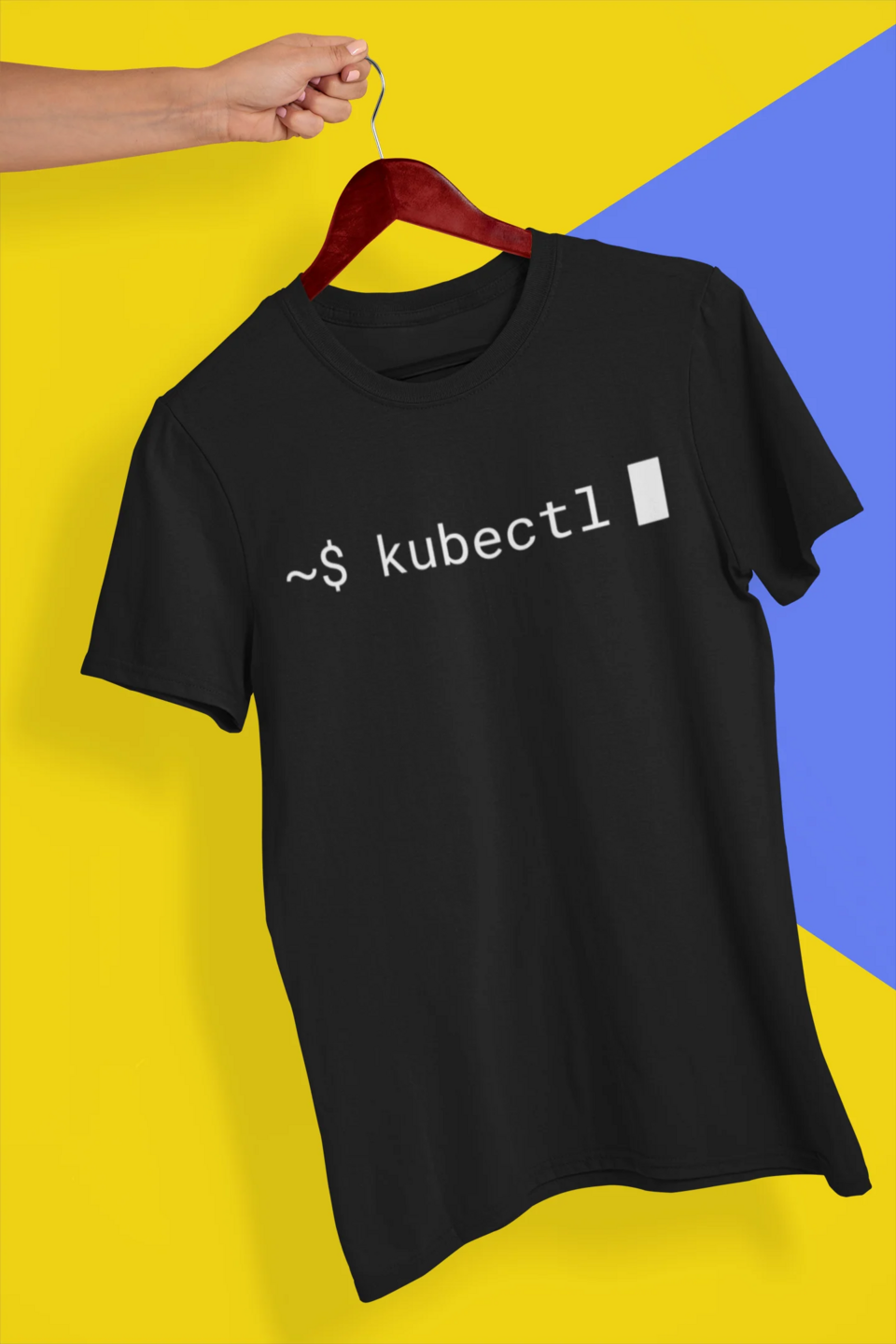
kubectl
Because chaos needs a commander.
Wear the command. Control the storm. ☁️💀
Because chaos needs a commander.
Wear the command. Control the storm. ☁️💀
ℹ️ News, Updates & Announcements
cloudfleet.ai
Kuberc, introduced in Kubernetes 1.33 as an alpha feature, allows users to personalize their kubectl command-line experience with aliases and default flags. This configuration file separates personal preferences from the kubeconfig file, simplifying complex commands and reducing errors. Teams can potentially share base kuberc files for standardized aliases and defaults, improving collaboration.
kubernetes.io
Kubernetes v1.33 hits the scene with in-place Pod resize. Now, tweak CPU and memory settings without hitting restart. Perfect for keeping stateful apps sturdy. Expect faster scaling and smarter resource juggling. Plus, fancy new subresources and conditions polish up management and error reporting. In short, it's a pretty slick update.
kubernetes.io
Kubernetes v1.33 just got a little smarter. Now you can use a zero-duration Sleep action in container lifecycle hooks. That means no more juggling extra binaries—nice and tidy.
With alpha support, you get to tweak stop signals within containers. Forget those pesky image-level defaults. The catch? Your container runtime needs to be in the cool kids' club—think containerd or CRI-O.
With alpha support, you get to tweak stop signals within containers. Forget those pesky image-level defaults. The catch? Your container runtime needs to be in the cool kids' club—think containerd or CRI-O.
kubernetes.io
Kubernetes v1.33 just unleashed Job success policy GA. Now you can set your own victory conditions for Jobs, which will make life a whole lot easier for AI/ML and HPC workloads.
kubernetes.io
Kubernetes v1.33 finally crushes Issue 18787. Now, every pod must authenticate before playing with already pulled private images. Security toughens without missing a beat. A fresh credential verification system zaps a decade-old loophole, slamming the door on unauthorized access.
kubernetes.io
Kubernetes v1.33 just got a shiny new toy: Backoff Limit Per Index GA. Now, you can wrangle retries per job index like a pro. Say goodbye to those impatient failure-hungry beasts! 🎉
techcommunity.microsoft.com
Unleash Azure Functions on Azure Container Apps with the fresh deployment model. Tap into the complete ACA toolkit—auto-scaling magic, no more juggling infrastructure. Transition turbocharges performance, smooths out deployment snags via CLI or Portal. Just set up with "kind=functionapp" and watch simplicity win.
kubernetes.io
etcd v3.6.0 slashes its memory footprint by half, ditching v2store like yesterday's leftovers. Performance leaps by 10%, powered by a string of clever tweaks. Kubernetes-style gates now govern upgrades; they promise to tame chaos but may demand a secret handshake.
🐾 From FAUNers
faun.pub
Ansible and Docker? A match made in dev heaven. Throw in Red Hat's Docker modules for good measure, and you've got a Grafana setup on port 3000. When you see that HTTP 200, you know you've nailed it.
faun.pub
Multi-stage builds are Docker's secret weapon for image slimming. They chop out dev clutter—canvas a picture of efficiency. Refactor those Dockerfiles like a pro juggler separating dev from prod. Only keep the bare necessities, like Nginx for serving static content. Faster deployments, fewer security holes. It just makes sense.
⭐ Sponsors
faun.dev
Have a blog post or a useful link to share? Contribute on FAUN — the platform built by and for developers.
🛠️ Write in Markdown
Use your favorite format — clean, simple, and developer-friendly.
📣 Why Post on FAUN?
✅ Easy editor
✅ Free exposure
🚀 Start sharing your insights today → faun.dev
🛠️ Write in Markdown
Use your favorite format — clean, simple, and developer-friendly.
📣 Why Post on FAUN?
- Get featured in our newsletters
- Reach tens of thousands of developers
- Boost your visibility in the dev world
✅ Easy editor
✅ Free exposure
🚀 Start sharing your insights today → faun.dev

🔗 Stories, Tutorials & Articles
spacelift.io
Platform engineering fuels DevOps with 92% automated checks. It slashes infrastructure drift like crop circles in a hayfield. And 83% strike gold with automated, self-serve platforms.
arch.dog
Talos kicked k3s to the curb, quenching that nagging itch for declarative order that Nix left behind. For traffic control, Contour swooped in, bringing sanity to my DNS maze and giving Nginx the boot. VictoriaMetrics outpaced Prometheus, delivering speed and thrift. It even does remote monitoring like a pro, keeping disasters at bay.
thenewstack.io
OrbStack rockets ahead with 2-5× faster I/O and harnesses Rosetta for blinding x86 speeds on Apple Silicon. For Mac users, it's a zippy Docker alternative. Unified Kubernetes, Linux machines, and effortless file sharing turbocharge development workflows. Meanwhile, Docker Desktop sulks in the corner, wondering what just happened.
www.bejarano.io
Terraform's plugin cache chokes when confronted with concurrent runs. Picture a traffic jam at rush hour—it ain't pretty. Enter OverlayFS, the urban planner for your code. It tricks each simultaneous Terraform init into believing it's hogging the same plugin cache. Then, with finesse, it syncs everything back to the central cache. The result? Workflows that zip along, like they’re surfing on espresso.
techcommunity.microsoft.com
Backing up those “stateless” AKS clusters isn’t just nerdy paranoia. Config drift, compliance headaches, and meddling hands make it a real necessity. In the DevOps trenches, clusters often wander off script from Git. Here, automated AKS backups ride in like heroes—capturing real-time snapshots, streamlining audits, and rescuing you from chaos faster than a coffee-fueled coder.
medium.com
At Kingfisher, GCP Vertex AI Pipelines and Kubernetes dance together, tackling AI scaling issues with grace. Serverless sounds dreamy until your budget cries uncle under traffic spikes. Kubernetes, though, delivers predictability, a perfect match for Kingfisher's consistent AI tasks.
newsletter.pragmaticengineer.com
Kubernetes sprang from Google's Borg like a tech prodigy. It's a lesson in open-source wizardry, orchestrated by 150-200 zealous maintainers who roll out fresh updates every 14-16 weeks like clockwork. But here’s the magic trick: the "lead" and "shadow" setup. It’s a clever mentorship dance that lets rookies dive right in, contributing while they learn on the job. No résumé required.
⚙️ Tools, Apps & Software
github.com
Docker-native backup agent using labels to automate backups for PostgreSQL, MySQL, MongoDB, and Redis to local or S3 storage.
github.com
A Google Agent Development Kit (ADK) powered assistant designed to help Site Reliability Engineers (SREs) with operational tasks and monitoring, particularly focused on Kubernetes interactions.
🤔 Did you know?
Did you know that Stack Overflow runs on a surprisingly lean tech stack powered by C#, .NET, and SQL Server? Despite handling over 100 million visits a month, the site is so well-optimized that it runs on fewer than 10 web servers. The engineering team focuses heavily on performance tuning and efficient database queries—some pages render in under 15 milliseconds. It’s a prime example of how deep expertise in optimization can outpace sheer infrastructure scale.
🗣️ Quote of the week
It always takes longer than you expect, even when you take into account Hofstadter's Law ~ Hofstadter's Law
😂 Meme of the week