FAUN.dev's Kubernetes Weekly Newsletter
 🔗 View in your browser. | ✍️ Publish on FAUN.dev | 🦄 Become a sponsor

KubernetesLinks
This Week in Kubernetes, with Kaptain the Shark
🔍 Inside this Issue
Meshes shed sidecars while clusters tighten their locks, AI agents get kernel-grade sandboxes while devs get drag-and-drop infra. From headless services and vClusters to K8s 1.35’s security squeeze and MCP-powered automation—there’s real leverage waiting below.
🧭 A Deep Dive into Kubernetes Headless Service
🛡️ Agent Sandbox Brings Kernel-Level Guardrails to AI Agents on Kubernetes
🌬️ An In-Depth Look at Istio Ambient Mode with Calico
🎨 Compose to Kubernetes to Cloud With Kanvas
🤖 How to Add MCP Servers to ChatGPT
🐞 How to Troubleshoot Common Kubernetes Errors
🔐 Kubernetes 1.35 - New security features
☕ Kubernetes Made Simple: A Guide for JVM Developers
🌀 The “Inception” of Kubernetes: A Deep Dive into vCluster Architecture and Benefits
🏆 Why Kubernetes Won: Perfect Timing & Developer Culture
No fluff, just leverage you can use by Friday.
Take care!
FAUN.dev() Team
🧭 A Deep Dive into Kubernetes Headless Service
🛡️ Agent Sandbox Brings Kernel-Level Guardrails to AI Agents on Kubernetes
🌬️ An In-Depth Look at Istio Ambient Mode with Calico
🎨 Compose to Kubernetes to Cloud With Kanvas
🤖 How to Add MCP Servers to ChatGPT
🐞 How to Troubleshoot Common Kubernetes Errors
🔐 Kubernetes 1.35 - New security features
☕ Kubernetes Made Simple: A Guide for JVM Developers
🌀 The “Inception” of Kubernetes: A Deep Dive into vCluster Architecture and Benefits
🏆 Why Kubernetes Won: Perfect Timing & Developer Culture
No fluff, just leverage you can use by Friday.
Take care!
FAUN.dev() Team
⭐ Patrons
faun.dev
Hey there,
We’re extending our 25% discount for End-to-End Kubernetes with Rancher, RKE2, K3s, Fleet, Longhorn, and NeuVector and all our courses on FAUN.Sensei(). The previous activation window was short, so the offer has been reactivated to give everyone more time.
End-to-End Kubernetes with Rancher, RKE2, K3s, Fleet, Longhorn, and NeuVector is a practical guide to building and operating real Kubernetes environments with the Rancher and SUSE ecosystem. It covers deployments, scaling, GitOps, storage, security, and disaster recovery using production-ready patterns.
Learn how to deploy, manage, secure, and scale real-world clusters:
Built by FAUN.dev() for engineers who operate Kubernetes in the real world.
⏳ Use the coupon SENSEI2525 before it expires on December 31, after that, full price!
We’re extending our 25% discount for End-to-End Kubernetes with Rancher, RKE2, K3s, Fleet, Longhorn, and NeuVector and all our courses on FAUN.Sensei(). The previous activation window was short, so the offer has been reactivated to give everyone more time.
End-to-End Kubernetes with Rancher, RKE2, K3s, Fleet, Longhorn, and NeuVector is a practical guide to building and operating real Kubernetes environments with the Rancher and SUSE ecosystem. It covers deployments, scaling, GitOps, storage, security, and disaster recovery using production-ready patterns.
Learn how to deploy, manage, secure, and scale real-world clusters:
- RKE2 and K3s from edge to enterprise
- Rancher architectures that actually scale
- GitOps with Fleet
- Storage and disaster recovery with Longhorn
- Runtime security and compliance with NeuVector
- And more!
Built by FAUN.dev() for engineers who operate Kubernetes in the real world.
⏳ Use the coupon SENSEI2525 before it expires on December 31, after that, full price!
ℹ️ News, Updates & Announcements
docker.com
Docker just dropped Kanvas, a new visual toy for building multi-cloud Kubernetes setups, without drowning in YAML.
It bolts onto Docker Desktop and runs on Meshery. Drag and drop services into a topology, then bring them to life across AWS, GCP, or Azure. Mix in policy-driven validation and real-time mutation, and Kanvas becomes more than a diagram. It’s your infra - live!
Supports Compose, Helm, and Kustomize in and out.
It bolts onto Docker Desktop and runs on Meshery. Drag and drop services into a topology, then bring them to life across AWS, GCP, or Azure. Mix in policy-driven validation and real-time mutation, and Kanvas becomes more than a diagram. It’s your infra - live!
Supports Compose, Helm, and Kustomize in and out.
docker.com
ChatGPT leveled up with full Model Context Protocol (MCP) support. It can now run real developer tasks, scraping, writing to a database, even making GitHub commits, through secure, containerized tools in Docker.
The Docker MCP Toolkit connects ChatGPT’s language smarts to production-safe tools like Stripe, SQLite, and Firecrawl. Setup takes less than 3 minutes. After that, it’s all muscle.
The Docker MCP Toolkit connects ChatGPT’s language smarts to production-safe tools like Stripe, SQLite, and Firecrawl. Setup takes less than 3 minutes. After that, it’s all muscle.
faun.dev
Agent Sandbox spins up secure, throwaway environments for AI agents on Kubernetes and GKE. It leans on gVisor and Kata Containers for hardened isolation at the kernel level, less blast radius, more peace of mind.
GKE turns the volume up with managed gVisor, sub-second warm-start pools, and Pod Snapshots. Translate: fast checkpointing and restore that slashes pod startup time.
GKE turns the volume up with managed gVisor, sub-second warm-start pools, and Pod Snapshots. Translate: fast checkpointing and restore that slashes pod startup time.
⭐ Sponsors
bytevibe.co
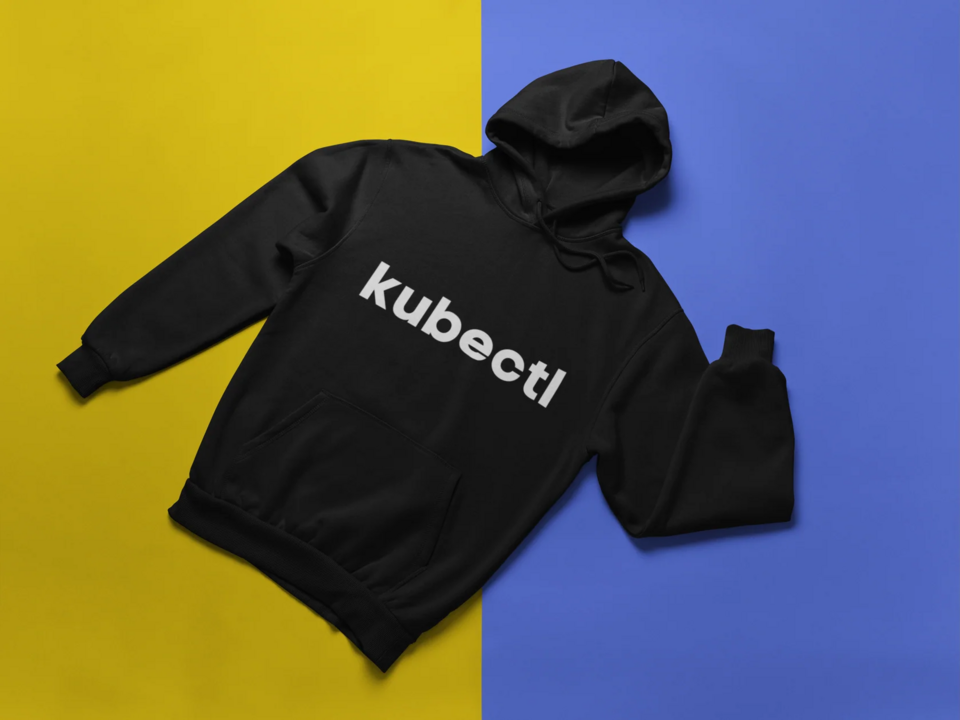
The Kubectl Heavy Blend Hoodie is back with a year-end discount. Soft, warm, and built for everyday wear, it features a classic fit, a plush cotton-poly blend, and a clean kubectl design that hits the right note for developers.
🎁 Use SUBSCR1B3R for a limited 25% discount
ℹ️ The coupon applies to all other products as well.
⏳Offer ends December 31
🎁 Use SUBSCR1B3R for a limited 25% discount
ℹ️ The coupon applies to all other products as well.
⏳Offer ends December 31
🔗 Stories, Tutorials & Articles
medium.com
vCluster, a CNCF sandbox project, spins up real-deal Kubernetes control planes inside pods. Each lives in its own namespace but behaves like a full cluster, admin access, CRDs, Helm, the works. It reuses the host’s worker nodes using a syncer that routes vCluster workloads onto the real thing.
tigera.io
Tigera just wired Istio Ambient Mode into Calico. That means you get sidecarless service mesh, think mTLS, L4/L7 policy, and observability, without stuffing every pod with a sidecar. It’s all handled by lean zTunnel and Waypoint proxies.
Ports stay visible, so Calico and Istio policies play nice. No rewrites, no headaches. Managed top to bottom with the Tigera Operator.
Ports stay visible, so Calico and Istio policies play nice. No rewrites, no headaches. Managed top to bottom with the Tigera Operator.
sysdig.com
Kubernetes 1.35 is done with legacy baggage.
cgroups v1? Deprecated.
Image pull credentials? Now re-verified by default—no more freeloading.
kubectl SPDY API upgrades? Locked down. You’ll need create permissions just to speak the protocol. Expect breakage if your workflows leaned on old assumptions.
Under the hood, the kubelet’s getting stricter about certificate Common Name (CN) matching, and HostNetwork Pods must support user namespaces now. Security knobs are twisting tighter.
On the upside, features like drop-in kubelet configs and OCI image volumes are finally stable. Fewer flags, more predictability.
cgroups v1? Deprecated.
Image pull credentials? Now re-verified by default—no more freeloading.
kubectl SPDY API upgrades? Locked down. You’ll need create permissions just to speak the protocol. Expect breakage if your workflows leaned on old assumptions.
Under the hood, the kubelet’s getting stricter about certificate Common Name (CN) matching, and HostNetwork Pods must support user namespaces now. Security knobs are twisting tighter.
On the upside, features like drop-in kubelet configs and OCI image volumes are finally stable. Fewer flags, more predictability.
spacelift.io
A fresh Kubernetes troubleshooting guide lays out real-world tactics for tracking down 12 common cluster headaches. Think: kubectl sleuthing, poking through system logs, scraping observability metrics, and jumping into debug containers.
The guide breaks down how AIOps is stepping in, digesting event data, logs, metrics, and traces to catch failures, automate digging, and turn weird errors into actual fixes.
The guide breaks down how AIOps is stepping in, digesting event data, logs, metrics, and traces to catch failures, automate digging, and turn weird errors into actual fixes.
medium.com
Headless Service is a powerful Kubernetes feature enabling direct pod-to-pod communication for stateful applications and precise service discovery without traditional load balancing. No automatic load balancing, pod IP changes, and special use cases make it ideal for specific scenarios, not general workloads.
blog.jetbrains.com
A sharp walkthrough for JVM devs shipping a Kotlin Spring Boot app on Kubernetes. It covers the full deployment arc, packaging with Docker, wiring up Deployment and Service manifests, and managing config with ConfigMaps and Secrets.
There's a clean PostgreSQL integration baked in. It even gets into header-based canary releases using Ingress and NGINX, because blind routing is so last cluster. Health checks? Covered, with Spring Boot Actuator endpoints doing the pulse-checking.
There's a clean PostgreSQL integration baked in. It even gets into header-based canary releases using Ingress and NGINX, because blind routing is so last cluster. Health checks? Covered, with Spring Boot Actuator endpoints doing the pulse-checking.
tfir.io
Kubernetes won big because the stars aligned, DevOps took off, Docker exploded, and enterprises finally stopped side-eyeing open source. Then came the institutional tailwind: CNCF pushed hard, GCP bet big, and the rest followed.
Kubernetes isn't just tech. It's a new operating model, built in the open, driven by a community, and bankrolled by cloud giants.
Kubernetes isn't just tech. It's a new operating model, built in the open, driven by a community, and bankrolled by cloud giants.
⚙️ Tools, Apps & Software
github.com
CrowdSec - the open-source and participative security solution offering crowdsourced protection against malicious IPs and access to the most advanced real-world CTI.
github.com
Kubernetes-native async actor framework for orchestrating near-realtime AI pipelines at scale
github.com
Official ModSecurity Docker + Core Rule Set (CRS) images
🤔 Did you know?
Did you know that the seven spokes on the Kubernetes logo are not just a design choice, but a reference to Project Seven of Nine, the original internal codename for the project at Google? This name was a tribute to the Star Trek: Voyager character, a Borg drone severed from the collective, symbolizing the system's nature as a "borg" for containers.
🤖 Once, SenseiOne Said
"Kubernetes hides machines behind declarations, then forces you to reason about the reconciliation loop when reality drifts from etcd. Containers are 'stateless' until cache, PID 1, and network backoff become your state."
— SenseiOne
— SenseiOne
⚡Growth Notes
Each day, take one Kubernetes object you touch in a live cluster and read its full spec and status until you understand every field you see. Then ask yourself two things: what caused this value and what would break if it changed. Capture the answers in a living runbook right next to the YAML, in simple language your future self can follow at 3AM.
Over time this turns manifests from magic scrolls into clear, debuggable system contracts, and you into the engineer who can reason calmly from Symptom to Field to Source. The quiet skill here is system literacy, not tool usage, and it compounds every single deployment you ever make.
Over time this turns manifests from magic scrolls into clear, debuggable system contracts, and you into the engineer who can reason calmly from Symptom to Field to Source. The quiet skill here is system literacy, not tool usage, and it compounds every single deployment you ever make.
👤 This Week's Human
This Week’s Human is Shannon Atkinson, a DevOps & Automation specialist with 15+ years building Kubernetes and CI/CD systems across AWS, Azure, and GCP, and a Certified Jenkins Engineer and patent holder. At Realtor.com, Shannon migrated mobile CI/CD from Bitrise to CircleCI, boosting delivery by 20%; at Salesforce, built a B2B2C platform serving 100M+ users; at Zapproved, developed automation that scaled systems 40% and cut manual work from hours to minutes.
😂 Meme of the week