| |
| 🔗 Stories, Tutorials & Articles |
| |
|
| |
| Platform Engineering vs. DevOps: What is the Difference? |
| |
| |
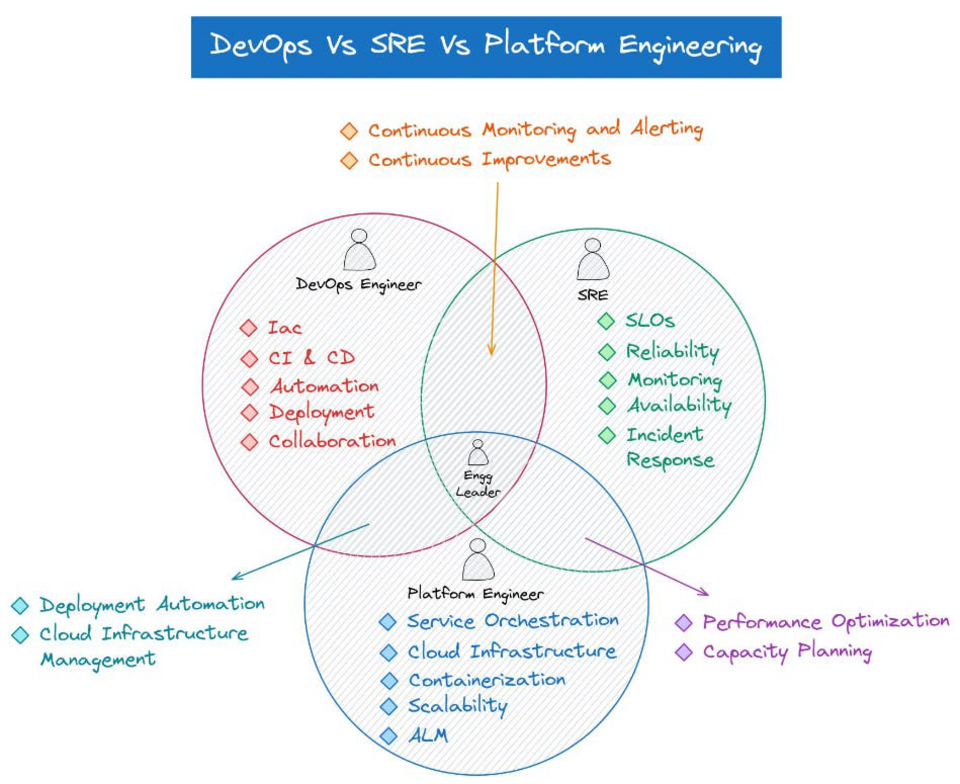
| DevOps and platform engineering are two essential concepts in contemporary software engineering. DevOps emphasizes teamwork, automation, and continuous improvement, while platform engineering focuses on creating, managing, and sharing platforms to optimize software development and delivery. These two methodologies work together to optimize team productivity and effectively manage the dynamic challenges of the tech landscape. |
|
| |
|
|
| |
|
| |
| Nginx tuning tips: HTTPS/TLS - Turbocharge TTFB/Latency |
| |
| |
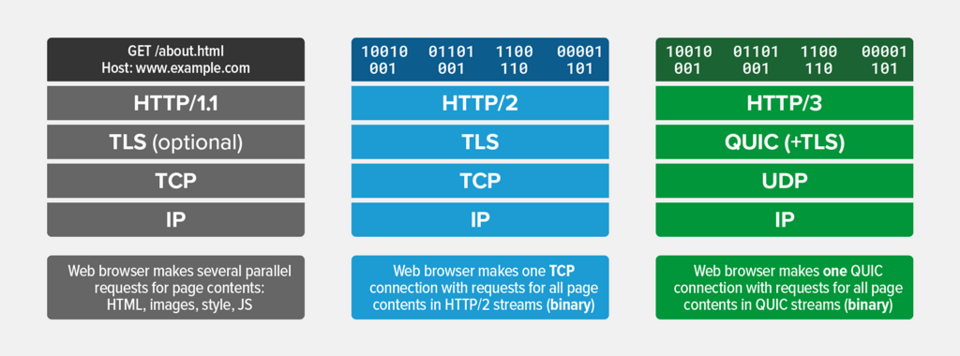
| Optimizing Nginx's TLS config can improve website speed and user experience by reducing TTFB latency and supporting the latest TLS protocols. |
|
| |
|
|
| |
|
| |
| Dependencies Belong in Version Control ✅ |
| |
| |
| Committing all project dependencies, including source code, binary assets, third-party libraries, and compiler toolchains, to version control is a beneficial practice that simplifies the build process, ensures reproducibility, and eliminates issues caused by network errors or outdated environments. |
|
| |
|
| |
|
| |
| Stop building databases |
| |
| |
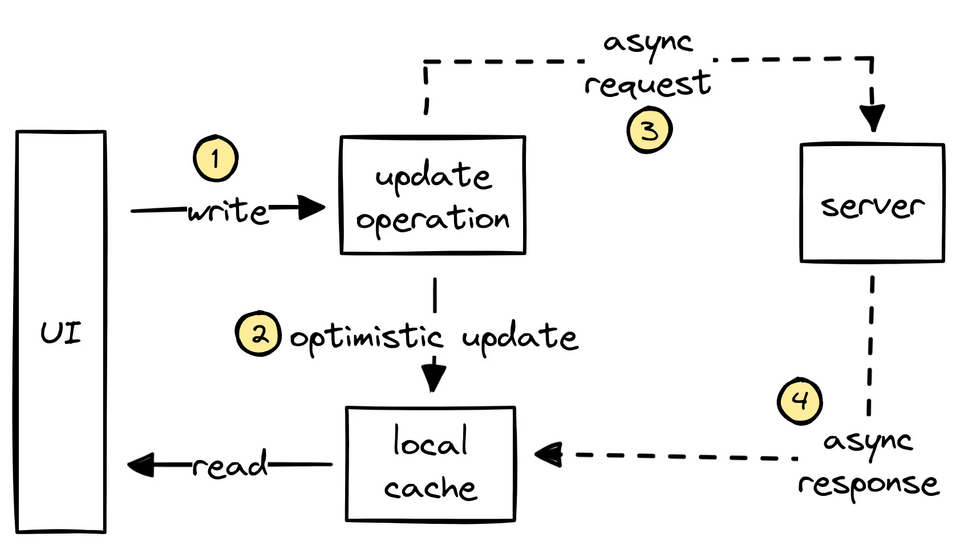
| Frontend engineers often need to implement data caching in their applications to improve performance and user experience, which can lead to the creation of a domain-specific database-like system. By leveraging concepts and tools such as index optimization, caching layers, and optimistic mutation, frontend developers can build efficient and scalable data management features in their applications. |
|
| |
|
|
| |
|
| |
| How Meta Patches Linux at Hyperscale ✅ |
| |
| |
| Using a technique called Kernel Live Patch (KLP), Facebook is able to patch millions of servers without any downtime, allowing for increased system uptime and availability. KLP delivers a separate package that modifies code without rebooting the entire kernel, ensuring that security updates are applied quickly and efficiently. |
|
| |
|
| |
|
| |
| How to set up and experiment with Prometheus remote-write ✅ |
| |
| |
| Prometheus is widely used in monitoring and alerting stacks, particularly in Red Hat OpenShift and Kubernetes environments. It is an essential part of the OpenShift monitoring stack and the Cloud Native Computing Foundation (CNCF). One of its benefits is the ability to stack multiple instances of Prometheus-compatible tools such as Grafana and Thanos on top of one another, allowing for metric monitoring, federation, filtering, aggregation, and alerting in various ways. A specific method of interest is the use of the Remote Write feature, which provides a way to quickly set up monitoring outside of the cluster or in a local Podman environment. |
|
| |
|
| |
👉 Got something to share? Create your FAUN Page and start publishing your blog posts, tools, and updates. Grow your audience, and get discovered by the developer community. |